← Back to ArticlesWhat Makes Slay the Spire 2 So Difficult?
An HDII editorial - published 4/13/2026 · 4 min read
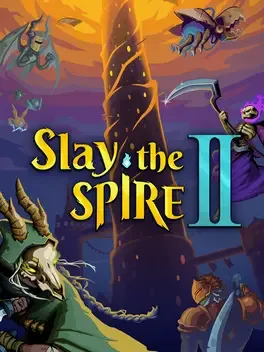
The original Slay the Spire built its reputation on a deceptively simple loop: draft a deck, fight your way up the spire, die, learn, try again. It was punishing in a way that felt fair, once you understood it. That understanding is now the problem. Slay the Spire II arrives expecting you to already know the language, and immediately starts speaking faster. It doesn't just add bigger numbers. It tightens the margin for error across every layer of the game.
Act 1 stops going easy on you
In the original, Act 1 served as a warm-up. Elite encounters were avoidable, and hallway fights rarely threatened a coherent deck. That breathing room is gone. Elites hit harder and earlier, and even standard encounters apply meaningful pressure before you've built any engine. Decisions that felt inconsequential in the original, which path to take, which card to skip, carry real consequences from the first few rooms. A slow start can compound into a run that's effectively over by the first boss.
Your deck has less time to come together
Enemy strength escalates faster between acts, which means your deck needs a win condition far sooner than the original required. Drafting something that does one thing well used to carry you a long way. Now single-dimensional decks hit a wall earlier because the enemy side of the table doesn't give you the time. The combat also introduces more interactions: combos come together faster, synergies run deeper, and a misread hand or suboptimal play order costs more than it would have before.
How it sits alongside other roguelikes
HDII users have rated Darkest Dungeon at an average of 8.3, one of the higher scores in the genre. That rating comes from sustained attrition across sessions, not turn-level precision. Slay the Spire II is harder in a different direction: it demands sharp thinking in the moment. Hades sits much lower on the difficulty scale, and that gap makes sense. Hades is built to be winnable on action game skill. That kind of skill doesn't transfer here.
Much of it is just unfamiliarity
New enemy types move in ways you haven't learned to predict. Mechanics that look similar to the original behave differently in ways that only surface after several failed runs. It's easy to mistake "I don't know this yet" for "this is impossible." The game is designed for players who have already mastered the first and want the dial turned up. If that's you, it delivers.
Think you know better? RATE ITMore from HDII
Every Castlevania and Igavania Ranked From Hardest to Easiest
Haunted Castle, a 1988 arcade cabinet most people have never played, takes the top spot at 9.13/10. All twelve of the hardest entries are classic stage-based Castlevanias, only Order of Ecclesia cracks the top half for the metroidvanias, and Symphony of the Night lands second from the bottom. Filter the list to metroidvanias only or Castlevanias only.
Read article
The Hardest Survival Games of All Time, Ranked by Player Votes
The Long Dark takes the top spot at 8.38/10, tied on score with a free Finnish simulation from 1992 that beat it on nothing but sample size. Valheim, Subnautica and Minecraft all rate too low to make the list at all, and Minecraft posts the largest sample and the lowest score of the lot.
Read article
The Hardest Fighting Games of All Time, Ranked by Player Votes
Capcom vs. SNK 2 takes the top spot at 8.96/10, winning on six selectable grooves that make it six games in one. Seven Tekken entries span the top thirty, Super Smash Bros. Melee is the only platform fighter to make the cut, and the 1987 original still outranks most of the series it started.
Read article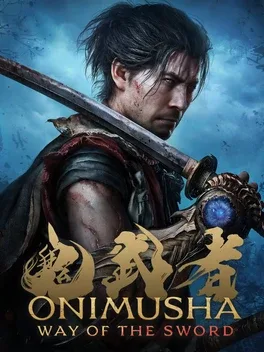
How Hard Is Onimusha: Way of the Sword
HDII voters put Onimusha: Way of the Sword at 6.94/10, below every FromSoftware game on the site and more than half a point under Elden Ring. The combat and the bosses are the best thing about it, and neither of them needed to hurt.
Read article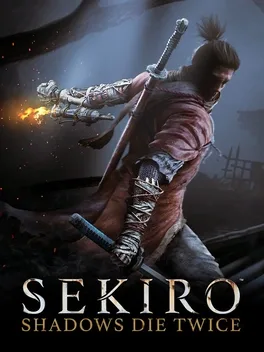
The Hardest Souls Games and Soulslikes of All Time, Ranked by Player Votes
Sekiro tops the chart at 8.59/10, with Nioh 2 and Nine Sols a hair behind. Nine of the top twenty-five are 2D, Dark Souls II outranks the game it followed, and Elden Ring finishes last among mainline FromSoftware titles despite carrying more votes than anything else here.
Read article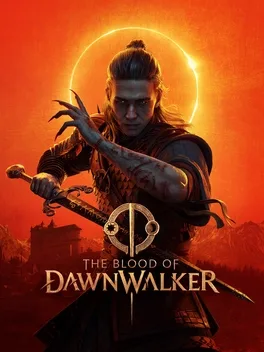
How Hard Is The Blood of Dawnwalker
Early HDII votes put The Blood of Dawnwalker at 5.82/10, with thirteen of seventeen ratings landing between 4 and 6. Its most interesting setting is Duelist mode, which takes away your attack indicators and then gives enemies far less health.
Read article
The Hardest Puzzle Games of All Time, Ranked by Player Votes
Stephen's Sausage Roll tops the chart at 8.90/10, with DROD: The Second Sky, Bean and Nothingness, and Lingo right behind. Sokoban variants, lockstep dungeon logic, and cryptic knowledge games dominate a list where the famous names rank far lower than their reputations suggest.
Read article
How Hard Is Mortal Shell II
Cold Symmetry's sequel sits at 7.38/10 in HDII votes, harder than the beta led anyone to expect but softer than most soulslike veterans want. Shell choice, swarms, and night mode decide how rough your run gets.
Read article
The Hardest Fan Games of All Time, Ranked by Player Votes
Invictus tops the chart at 9.29/10, with I Wanna Kill the Kamilia 3 and Undertale Last Breath climbing right behind it. A list dominated by kaizo Mario hacks, I Wanna needle games, and brutal Undertale fan battles, plus the landmark fan projects (Black Mesa, AM2R) famous for everything but difficulty.
Read article
The Hardest SHMUPs of All Time, Ranked by Player Votes
Ikaruga tops the chart at 9.09/10, with DoDonPachi DaiOuJou, Ketsui, and R-Type all clustered near 9. Player-voted difficulty rankings of the 25 hardest shoot-'em-ups ever made, plus why Cuphead and Contra don't qualify.
Read article
The Hardest Metroidvanias on Steam, Ranked by Player Votes
Rerun for July 2026 after a wave of new votes doubled the sample. Aeterna Noctis still leads at 8.74/10, Nine Sols climbs to #3, and Silksong pulls clear of Hollow Knight. Blasphemous surges nearly a full point. Six newcomers crash the list and push every Castlevania out of the top 20.
Read article
Halo Games Ranked From Easiest to Hardest
Halo: Campaign Evolved lands this month, so we ranked every mainline Halo campaign by player-voted difficulty, easiest to hardest. Halo 2 tops out at 6.06, exactly as its Legendary reputation demands, while Halo 3: ODST sits easiest at 4.08. Plus where the votes and the veterans disagree.
Read article
The Hardest Rhythm Games of All Time, Ranked by Player Votes
Rhythm games skew accessible, but a few are as punishing as any precision platformer. A Dance of Fire and Ice tops HDII's player-voted rankings at 8.39, with Geometry Dash and Crypt of the NecroDancer right behind. Player-voted difficulty rankings of the hardest rhythm games.
Read article
How Hard Is The Binding of Isaac?
The Binding of Isaac sits at 7.11 in HDII player votes, and the franchise has only gotten harder since. By Repentance it climbs to 8.32, where not one player rated it below a 7.
Read article
How Hard Is The Adventures of Elliot?
The Adventures of Elliot sits at 5.4/10 in player votes, but that average hides a huge range. Easy mode is a walkover and normal is breezy; the real challenge only shows up once you pick hard.
Read article
How Hard Is Empulse
1047 Games' movement shooter sits at 7.4/10 in early HDII votes. Easy to enjoy and brutal to master, its real difficulty is a skill ceiling that punishes hesitation and humbles newcomers.
Read article
The Hardest Precision Platformers, Ranked by Player Votes
Super Meat Boy leads at 9.03/10 from 30 ratings. Getting Over It sits at 8.67, Jump King at 8.13. Celeste, the most-rated entry with 38 votes, averages 7.82. Fan games excluded. Player-voted difficulty rankings of the hardest precision platformers.
Read article
Games Like Elden Ring But Easier: 12 Picks Ranked by Players
Elden Ring averages 7.22/10 in player difficulty votes. These 12 action games score below that — ranked by how closely each scratches the same itch, from Dragon's Dogma II at 6.55 to Black Myth: Wukong just 0.08 below the Elden Ring line.
Read article
The Hardest Games Under 10 Hours, Ranked by Player Votes
Ninja Gaiden and Battletoads tie at the top with 9.14/10. Super Meat Boy ranks third at 9.04. Cuphead, the most-voted entry at 51 ratings, averages 8.35. Player-voted difficulty rankings of the 14 hardest games completable in under 10 hours.
Read article
The Hardest Roguelikes and Roguelites, Ranked by Player Votes
Spelunky 2 leads at 8.90/10, one hundredth of a point ahead of NetHack. Every game in the top ten scores 8.0 or above. Hades, the most-rated entry with 38 votes, averages 6.97. Player-voted difficulty rankings of the hardest roguelikes and roguelites.
Read article
The Hardest Games Ever Made, Ranked by Player Votes
Super Street Fighter II Turbo tops the charts at 9.71/10. Ninja Gaiden and Battletoads follow close behind. Here are the 25 hardest games right now, ranked by real player difficulty ratings.
Read article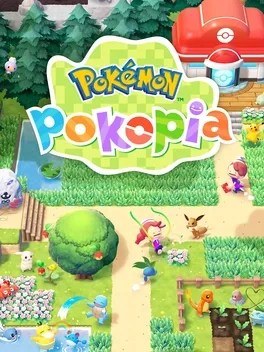
Pokémon Pokopia Is Not the Challenge You're Looking For
Pokémon Pokopia won't test your skills or break your streak. But it will quietly take over your evening, and the next one, and the one after that.
Read article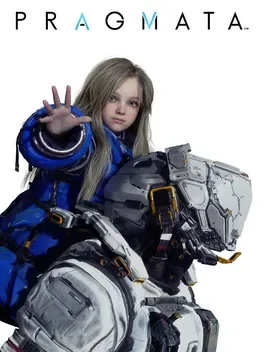
How Hard Is Pragmata?
Pragmata is fabulously made and overwhelmingly positive on Steam. But players hoping for a hardcore challenge may find themselves coasting through the standard campaign, waiting for the post-game to finally turn the dial up.
Read article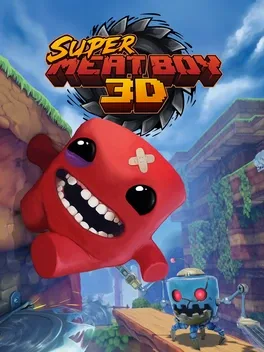
Is Super Meat Boy 3D Actually as Brutal as the Original?
Early ratings suggest Super Meat Boy 3D is hard, but the jump to three dimensions may have taken some of the bite out of the original's legendary ferocity.
Read articleHow Hard Is Sekiro Actually?
Sekiro carries an 8.7 on HDII and outranks Elden Ring, Hollow Knight, Silksong, and the Souls series, but it still doesn't take the site's top spot.
Read article