The Hardest Metroidvanias on Steam, Ranked by Player Votes
Last updated: September 2026
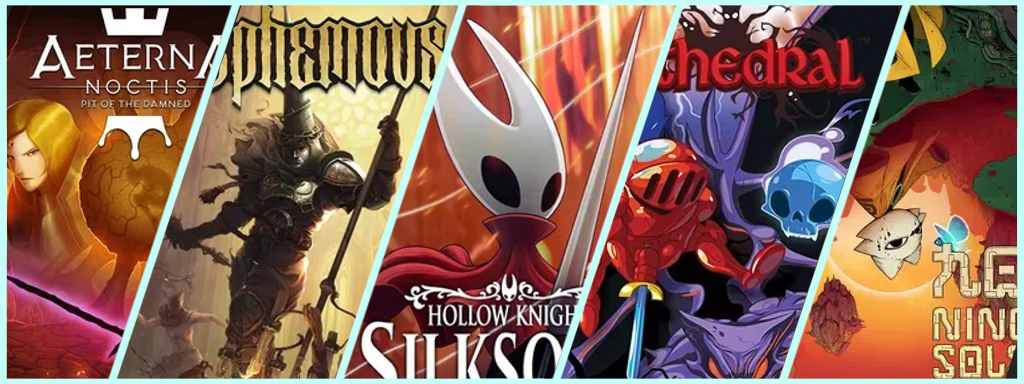
At the top of this list, you will not find Hollow Knight, nor any Castlevania at all. Instead, you will find Aeterna Noctis, a Spanish-developed hand-drawn Metroidvania at 8.74/10, with Rain World and La-Mulana just behind. Not exactly household names, but the hardest games rarely are.
This is the second run of this list. Since the first one in May, a wave of new votes has roughly doubled the sample on many of these games, six newcomers have forced their way in, and the order has shifted underneath them. Your Metroidvania darlings might still find themselves among the pantheon of hair-pullers. The question is where each of them lands now, and what the extra votes changed. Find out below!
What Even Counts as a Metroidvania?
The genre name comes from two franchises, Metroid and Castlevania, but the edges have always been debated.
To keep things more contained, this list covers 2D platformer Metroidvanias on Steam. While this does cut out a genre staple in Metroid Prime and certainly genre derivatives like the Souls series, there are a plethora of 2D platformer Metroidvanias to give us plenty to think about and compare. 2D Soulslike platformers with Metroidvania structure absolutely belong here: Hollow Knight, Silksong, Nine Sols, and The Last Faith are all ranked below, while 3D Soulslikes like Dark Souls, Elden Ring, and Sekiro are not.
For Castlevania specifically, we draw the line at 1997. The classic pre-Symphony entries are linear action platformers, not Metroidvanias. Castlevania: Symphony of the Night introduced the non-linear interconnected world and ability-gated progression that defines the genre, and every Castlevania entry after it built on that template. Those games are included here; the ones before are not.
Full Rankings: Top 20 Hardest Metroidvanias on Steam
- 1
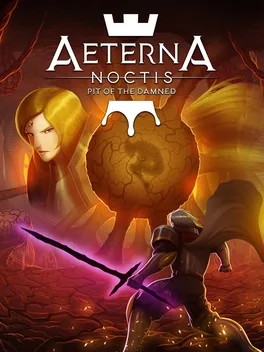
Aeterna Noctis
The highest-rated Metroidvania on the site, and one of the highest-rated games across the entire platform. Known within the genre for platforming sections that rival dedicated hardcore platformers: hand-drawn and relentless, with boss patterns that demand memorisation at a level most MVs never reach. Its difficulty curve is steep from the first hour, checkpoints are sparse, and basic enemies deal chip damage that accumulates fast. A surprisingly low number of raters for something this extreme, and every one of them scored it 8 or above. There is no debate about the challenge.
- 2
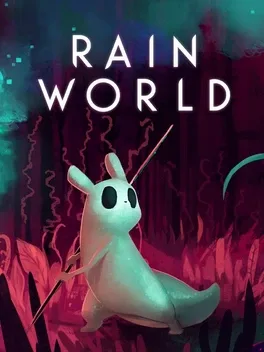
Rain World
Rated 8.71/10 in difficulty by 17 players on How Difficult Is It?.
- 3
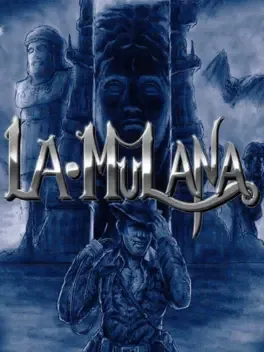
La-Mulana
An ancient ruin Metroidvania where the real challenge is deciphering handwritten notes and tablet inscriptions before instant-kill traps reach you. Every room is both a puzzle and a platforming challenge; collecting items in the wrong order can leave a save file in an unwinnable state with no indication that anything has gone wrong. Nobody gave it a 10, but nobody soft-graded it either. La-Mulana is brutal, but it has a ceiling.
- 4
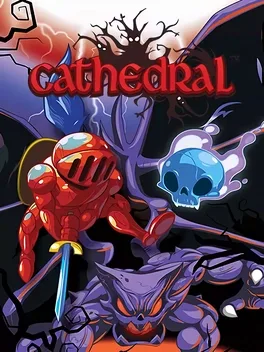
Cathedral
A retro-styled Metroidvania built on the design principles that make the genre punishing: enemies respawn, resources are limited, and progression is gated behind abilities scattered across a non-linear world. Remains underplayed for something this difficult. The first area is accessible; after that the game expects players to have internalised its patterns.
- 5
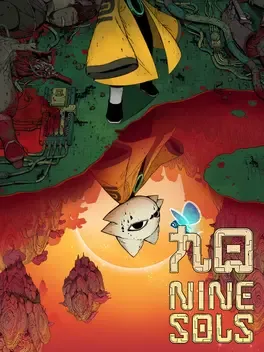
Nine Sols
The Sekiro of Metroidvanias, and the most-rated game in this category. Nine Sols builds its combat around a strict parry system: every enemy attack must be deflected at precise timing, then finished with a charged Talisman detonation. There is no stamina bar; the game enforces its parry logic from the first enemy to the last. Late encounters require extended parry chains against enemies that punish any lapse in concentration.
- 6
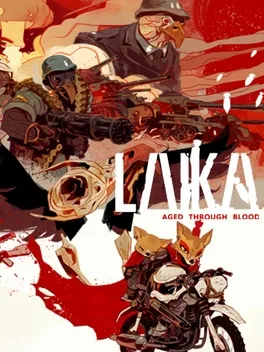
Laika: Aged Through Blood
A motorvania: Metroidvania on a motorbike, set in a brutalist wasteland. Every combat encounter requires managing bike orientation and momentum while fighting. Standard action game instincts do not transfer; the physics-based movement means deaths arrive in ways that feel unfamiliar even to experienced genre players. Nobody who found it came away thinking it was average.
- 7
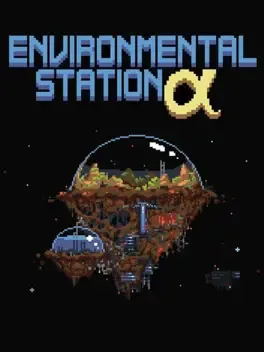
Environmental Station Alpha
A Metroid-style sci-fi exploration game that earns its difficulty the old-fashioned way: no map markers, no hand-holding, and environmental hazards that kill before the player understands what happened. The world is dense and interconnected, with shortcuts locked behind abilities found far from where they are needed. ESA's visual modesty disguises one of the more demanding MVs on the platform.
- 8
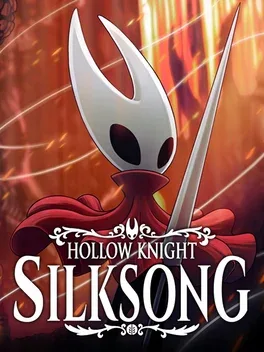
Hollow Knight: Silksong
The sequel to Hollow Knight brings its own identity: faster and more aggressively combat-focused, with a boss roster clearly designed for players who already cleared the original. Where Hollow Knight escalates slowly toward its optional endgame, Silksong is adversarial from earlier in the run. Early community consensus places it harder than the base Hollow Knight experience.
- 9
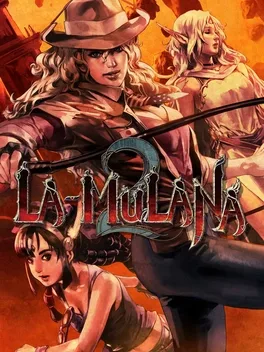
La-Mulana 2
A puzzle-first Metroidvania where the difficulty is almost entirely cognitive rather than mechanical. Every room contains tablet inscriptions hinting obliquely at solutions that cannot be brute-forced; collecting items in the wrong order can permanently break a puzzle with no warning or feedback. No map markers, no quest log, no indication that something has gone wrong until the door simply refuses to open.
- 10
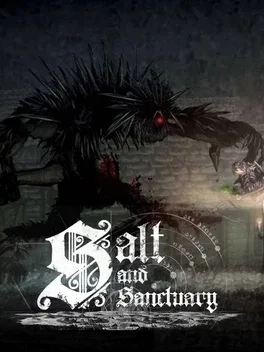
Salt and Sanctuary
The game that proved Dark Souls could work in two dimensions, and it softened nothing in the translation. Stamina governs every swing, dodge, and roll; enemies stagger and punish greedy attacks; and the Brand system gates progression across a single interconnected world in proper Metroidvania fashion. Its opening hours are famously hostile, handing out serious bosses before most players have found a build that works. Players arriving from the 3D Souls games often report that the flat plane makes spacing harder to read rather than easier.
- 11
An Untitled Story
A freeware exploration platformer from the developer who would go on to make Celeste, and the ancestry is obvious once you move. The movement is fast and precise, the world is large and openly hostile, and several optional regions hide platforming that would not look out of place in a dedicated hardcore platformer. It offers very little guidance, expecting players to probe the map and work out their own route. Its difficulty is easy to underestimate from the modest presentation.
- 12

Rabi-Ribi
A bullet hell Metroidvania that leans harder into its bullet hell half than most genre hybrids. The exploration and platforming are standard MV fare; the bosses are not. Rabi-Ribi throws dense overlapping pattern waves that require reading, repositioning, and real-time decisions about which projectiles can be tanked versus which cannot. Difficulty modes go well beyond what most players will ever attempt.
- 13

Hollow Knight
The baseline every Metroidvania is measured against. The core game is manageable for experienced action platformer players, but Hollow Knight extends far past its apparent ending: the Path of Pain contains precision platforming that rivals any dedicated platformer, and the Pantheon of Hallownest demands consecutive completion of 42 boss fights without checkpoints. Most players who finish the main story never encounter either.
- 14

Tevi
From the developers of Rabi-Ribi, Tevi merges 2D Metroidvania structure with bullet hell boss fights. The exploration side is accessible; the bosses are not. Tevi's difficulty is concentrated almost entirely in its fights: dense attack patterns that require reading multiple simultaneous projectile streams while managing repositions and punish windows.
- 15
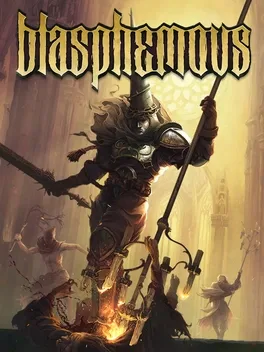
Blasphemous
Soulslike pacing in a 2D Metroidvania frame. Enemies hit hard relative to the health pool, attack patterns overlap, and death drops a guilt fragment at the location you fell: a passive Fervour debuff that persists until retrieved. The guilt system creates constant pressure to push forward; resting at checkpoints has a mechanical cost.
- 16
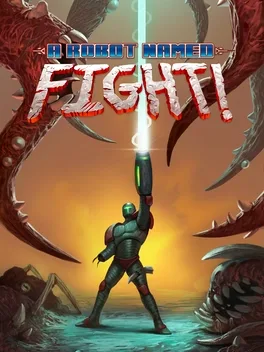
A Robot Named Fight
Metroid crossed with a roguelite: a procedurally generated station rebuilt from scratch every run, with permadeath and no persistent upgrades to soften a bad start. The item pool is deep enough that runs vary wildly in power, which means some attempts never assemble the tools they need to deal with what the generator produced. Reading an unfamiliar layout while under pressure is the actual skill here, because the game never lets players learn a route by heart the way a fixed Metroidvania would.
- 17
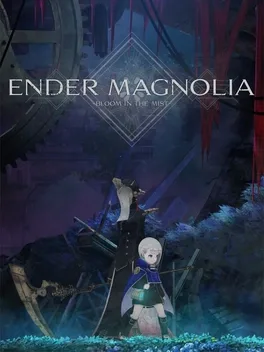
Ender Magnolia: Bloom in the Mist
The sequel to Ender Lilies, and the harder of the two by player consensus on this site. Combat runs on a roster of summoned spirits whose cooldowns have to be juggled mid-fight, and the boss encounters escalate faster than the original's did. The exploration is generous, but the fights assume players have genuinely engaged with the spirit loadout system rather than settling on one favourite and coasting.
- 18
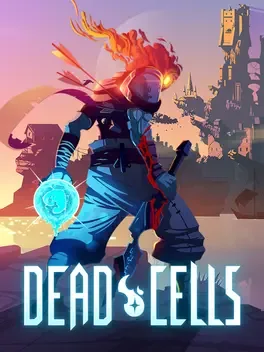
Dead Cells
The roguelite structure erases every run: weapons, upgrades, and position reset to zero on death. Dead Cells scales difficulty through Boss Cells (up to five), each tier adding new enemy variants and more aggressive elites. By the higher cell counts, a single mistake in a poorly matched encounter is frequently unrecoverable without exceptional build synergy and health management.
- 19
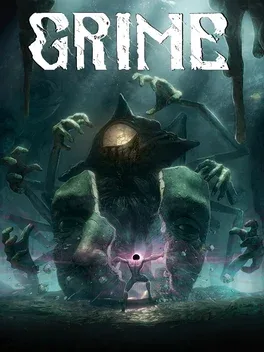
Grime
A soulslike Metroidvania built around a parry-absorption system: most enemies can be consumed mid-combat to build the player's own traits. This creates an unusual incentive structure where dying costs not just progress but absorption opportunities. Grime's bosses require precise timing, and its upgrade path rewards players who engage with the absorption system rather than treating it as optional.
- 20
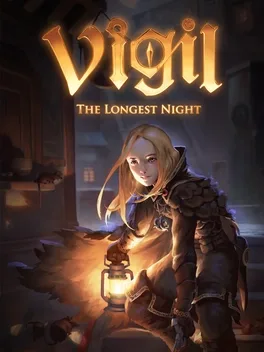
Vigil: The Longest Night
A Lovecraftian soulslike Metroidvania that hits considerably harder than its storybook art style suggests. Combat combines stamina management with a stat system deep enough to build yourself into a corner, and enemies deal heavy damage relative to the health pool from the opening area onward. Boss patterns run long and punish impatience, and the game expects players to prepare and equip deliberately rather than push straight through.
What Has Changed Since the First Ranking
This list first ran in May 2026, and then a lot of people voted. Nearly every game here has a meaningfully larger sample than it did, several have double, and six games cleared the five-rating minimum for the first time. The order has changed accordingly. What has not changed is the top of it: Aeterna Noctis, Cathedral, Laika, and Nine Sols still occupy four of the first four places, with Aeterna holding #1 throughout.
The clearest rank riser is Nine Sols, up from #5 to #3 as its average climbed from 8.06 to 8.56. Environmental Station Alpha, an obscure freeware-descended sci-fi game, made a similar move from #6 to #5. A score that rises while its sample grows is unusual, and it usually means the same thing: the difficulty lives late, and the people arriving later are the ones who got there.
The Team Cherry pair moved together. Silksong is now #6 at 8.39, and Hollow Knight has climbed to 8.03 at #15. When this list first ran we said early consensus put Silksong above the original. That is no longer a guess: it sits nine places and a third of a point clear of it.
The six newcomers reshaped the middle. A Robot Named Fight landed at #7, Salt and Sanctuary at #8, An Untitled Story at #9, Vigil at #12, and Ender Magnolia at #19, with Ender Lilies missing the cut by a hundredth of a point. The single biggest score jump belongs to Blasphemous, which leapt from 7.19 to 8.03 and now ties Hollow Knight itself. All that upward pressure had to push something out: Astalon, Death's Gambit, and every single Castlevania now sit outside the top 20, most of them without their own scores falling at all. Death's Gambit is the clean example. It ranked #12 in May on a 7.60 average, and today it sits just outside the twenty on a nearly identical 7.55, passed by the games that either climbed or arrived.
One more result is worth calling out. Order of Ecclesia is routinely named the hardest Castlevania in forum arguments, and the original version of this article had to note that our numbers disagreed. They no longer do. It climbed from 6.64 to 7.33 and is now the hardest Castlevania on the site, clear of Harmony of Dissonance. The forums were right and the votes took two months to catch up.
What Players Argued About
The most common critique of the original list was the rating threshold. A five-vote minimum lets a game qualify on a very small sample, and readers pointed out, fairly, that a couple of outliers could swing the whole order. That critique did its job. Aeterna Noctis has gone from 8 ratings to 19, Cathedral from 7 to 17, Laika from 6 to 16, and Rabi-Ribi from 11 to 26. The two games people most wanted to argue about are no longer resting on a handful of votes, and both held their ground anyway.
The caveat has not disappeared, it has just moved. Astalon just missed the cut on 9 ratings, and the thinnest samples still inside the twenty are La-Mulana at #10 on 10 and An Untitled Story at #9 on 11. Those are the entries to treat with suspicion now. The sturdiest scores on the board belong to Hollow Knight (68 ratings), Nine Sols (54), Silksong (38), and a cluster right around 30 that now includes Blasphemous, Dead Cells, and Environmental Station Alpha.
Several readers made the same deeper point: difficulty is not one number. Bosses point one way, puzzles another, platforming a third. The thread landed on a neat shorthand, with Rabi-Ribi named for its bosses, La-Mulana for its puzzles, and Aeterna Noctis for its platforming. A single score from 1 to 10 flattens all of that, which is exactly why two honest players can rate the same game several points apart.
Nine Sols is the clearest case of that spread. Its votes still run from 3 to 10, because the game ships with sliders that let you tune damage and the parry window. Players who leaned on those sliders rate it approachable; players who left it stock describe a Sekiro-grade wall. Both are telling the truth about the game they played, and no single average will ever reconcile them.
Aeterna Noctis and Laika drew the loudest splits. Aeterna had a reader insisting they died more in it than in every other Metroidvania combined, and another calling it merely okay and too spread out to stay tense. Laika had someone who reached 100 percent completion arguing it stops being hard once it clicks. Both games kept their place near the top even after their samples doubled, which is the most useful thing the new votes told us: the disagreement was real, but it was not the score being wrong.
How This List Is Built
Every game on this list was rated by real players on How Difficult Is It?. The ranking is based on each game's average difficulty score, submitted by people who have actually played it. This list is a monthly snapshot. For live rankings that update every hour, see the rankings page.
- Source: Player-submitted difficulty ratings on How Difficult Is It?
- Genre scope: 2D Metroidvanias available on Steam, including post-1997 Castlevania titles
- Minimum ratings: At least 5 player ratings required to appear
- Sort method: Average difficulty score, highest first. Rating count breaks ties.
- Exclusions: Disqualified or flagged ratings are removed. 3D games, pre-Symphony Castlevanias, and pure Soulslike titles without Metroidvania structure are excluded.
- Update frequency: Monthly snapshot
Frequently Asked Questions
What is the hardest Metroidvania on Steam according to player ratings?
As of September 2026, Aeterna Noctis ranks #1 with a difficulty score of 8.74/10 based on player ratings on How Difficult Is It?. Nine Sols, the most-rated Metroidvania on the site, sits at #5 with 8.56/10 from 54 ratings.
How is this ranking calculated?
Games are ranked by their average difficulty score submitted by players on How Difficult Is It?. Only games with at least 5 ratings are included. Disqualified or spam ratings are excluded. Games with equal average scores are sorted by number of ratings. The list covers 2D Metroidvanias available on Steam, including post-1997 Castlevania titles that introduced the non-linear Symphony of the Night structure.
Is Hollow Knight the hardest Metroidvania?
Not according to player ratings. Hollow Knight ranks #13 with a difficulty score of 8.06/10 across 69 ratings. Nine Sols (8.56/10) and Silksong (8.41/10) both rate higher. Hollow Knight has the largest player sample in this category, making its score the most statistically stable on the list, but it sits in the middle of these rankings.
Where does Nine Sols rank, and what makes it so difficult?
Nine Sols ranks #5 at 8.56/10 from 54 ratings, making it the most-rated Metroidvania on the site. Its difficulty comes from a parry-first combat system modelled closely on Sekiro: every enemy attack must be deflected at precise timing before dealing damage, with no stamina bar and no option to roll through the parry requirement. The boss roster escalates to require extended parry sequences against fast, aggressive enemies.
Can I add my own difficulty rating?
Yes. Create a free account on How Difficult Is It? and rate any game you have played. Your rating is included in the community average and updates the live rankings within the hour.