The Hardest Roguelikes and Roguelites on Steam, Ranked by Player Votes
Last updated: May 2026
At the top of this list, you will not find Hades. Nor Dead Cells, nor Slay the Spire. Instead, you will find Darkest Dungeon, a gothic dungeon crawler built around a stress mechanic that punishes progress in ways most roguelikes never attempt, sitting at 8.31/10, with Spelunky 2 and Spelunky Classic close behind.
The fan favourites are here too. Hades, Dead Cells, Slay the Spire, Returnal, and the rest all show up below. The question is where they land once real player votes are counted.
Roguelikes vs Roguelites: What Counts Here?
The terms are contested, but for this list the distinction does not matter much. Both are included because players rate them in the same difficulty context.
Traditional roguelikes have randomised levels, permadeath, and no persistent upgrades between runs. Spelunky Classic and The Binding of Isaac sit firmly in that camp. Roguelites relax those rules, typically by adding meta-progression that carries over after death. Hades, Dead Cells, and Vampire Survivors are all roguelites.
Dead Cells and Astalon both have Metroidvania structure and appear on the Hardest Metroidvanias list as well. They are included here because their run structure is explicitly roguelite: every death resets position and weapons, and progression is gated behind separate meta-currency systems.
Full Rankings: Top 14 Hardest Roguelikes and Roguelites on Steam
- 1
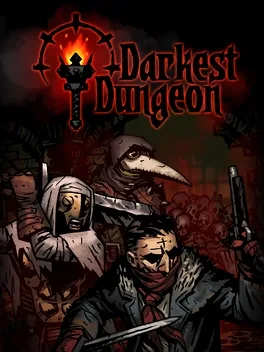
Darkest Dungeon
The stress mechanic separates Darkest Dungeon from every other roguelite on this list. Most roguelikes ask you to manage HP and resources. Darkest Dungeon adds a second bar measuring psychological strain: let it fill and your heroes gain afflictions, become cowardly, or die outright without a wound dealt. Long dungeon runs, permanent character loss, and RNG outcomes that punish good play make for an experience that reads less like a game and more like a war of attrition. 12 of 13 raters gave it an 8 or above. The difficulty consensus is about as clean as it gets.
- 2
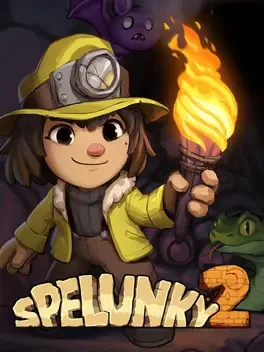
Spelunky 2
The sequel to one of the most precise roguelikes ever made, and by most accounts the harder of the two. Spelunky 2 inherits instant-kill physics and interacting systems from the original, then adds branching paths, new world zones, and hazards that punish players who learned the first game's patterns. Deaths arrive fast, the cause is often something you have not seen before, and the loop back to the start is merciless. Every rater gave it a 7 or above. Nobody came away thinking it was moderate.
- 3
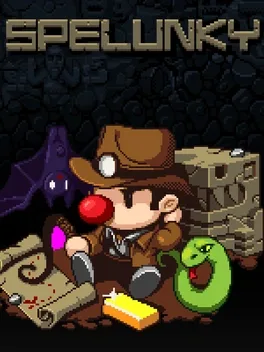
Spelunky Classic
The original freeware Spelunky, still one of the most demanding procedural platformers ever made. Every room is a physics trap waiting to spring. Shopkeepers become permanently hostile if provoked, a ghost spawns if you linger too long, and almost any collision can kill you instantly. No rater scored it below 7, and nobody gave it a 10. The difficulty is relentless but finite. There is a ceiling here that determined players can eventually reach.
- 4
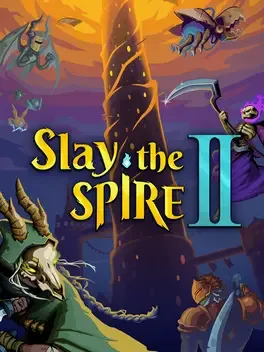
Slay the Spire II
The sequel is harder than the original from the first fight. Act 1 bites harder, enemies scale more aggressively, and the new mechanics add decision complexity before most players have internalised the card systems. Half of its raters gave it a 9. For a deckbuilder still in early access, that is a strong early statement about where the difficulty sits.
- 5

Astalon: Tears of the Earth
A roguelite Metroidvania where death is the intended progression loop: the world is hostile from the start and permanent upgrades only unlock by dying and spending currency at the shop. Three characters with different abilities must be managed across each run; losing any of them permanently changes what the current run can accomplish. 5 of 7 raters gave it an 8 or 9. The people who found it are not hedging about where it belongs.
- 6
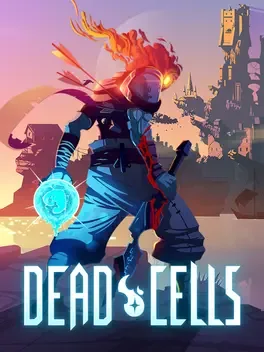
Dead Cells
The genre-defining roguelite action platformer, and a Metroidvania by structure. Dead Cells scales difficulty through Boss Cells (up to five), each tier adding faster enemies, more aggressive elites, and smaller margins for error. At higher cell counts a single bad encounter in a 45-minute run is frequently unrecoverable. Most of its 21 raters land between 7 and 9, reflecting a wide ceiling rather than consistent extremity. Also appears on the Hardest Metroidvanias list.
- 7
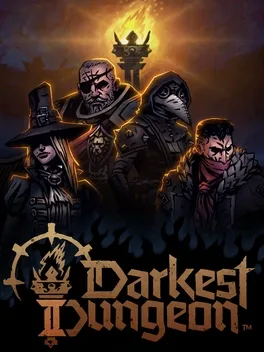
Darkest Dungeon II
The sequel shifts from dungeon delving to a road trip structure, but the stress-and-consequence loop carries over. A new relationship system between party members adds a layer of management that can collapse a run in ways the first game never triggered. Every rater gave it a 7 or an 8. Harder than most, but more measured than its predecessor. No outliers in either direction.
- 8
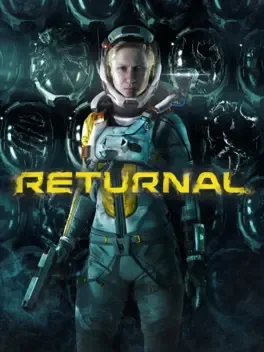
Returnal
A third-person bullet hell roguelite where a full run resets on death. Returnal's bullet patterns are dense and fast, weapons are randomised, and the game offers no difficulty settings or permanent progress softeners. With 19 ratings it has one of the larger samples on this list, and the vast majority clustered between 7 and 8. The consistency is telling: nobody called it moderate.
- 9
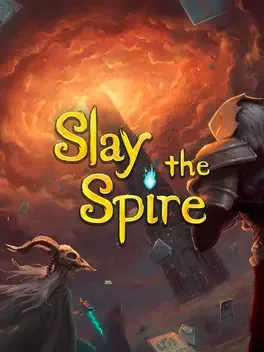
Slay the Spire
The card game that made deckbuilders a genre. Getting to the final boss on a first run is unlikely; building a viable Ascension 20 attempt is a months-long project that requires deep knowledge of the card pool, relic synergies, and enemy scaling. Four of its raters gave it a 6, three gave it an 8. The split says something true about Slay the Spire: it either clicks or it does not.
- 10
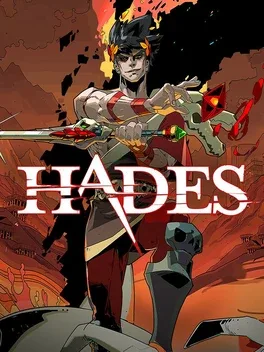
Hades
The most-rated roguelite on the site by a wide margin. Hades is designed to be accessible: permanent upgrades ease re-entry after death, and the combat rewards players who meet it on its own terms. The 35 ratings cluster between 5 and 7, which is accurate. This is a game most players find moderately hard but not punishing. If it ranks lower than you expected, that is probably the right read.
- 11
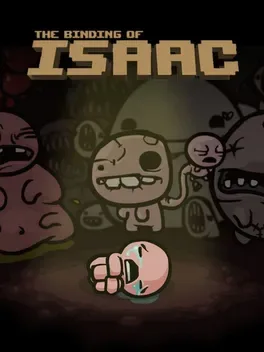
The Binding of Isaac
The original game before Rebirth and Afterbirth widened the item pool. The base version is punishing in ways the later editions smoothed out: item synergies are narrower, the randomness can produce genuinely unwinnable runs, and the final boss requires pattern knowledge most players do not accumulate on their first playthroughs. Nobody gave it above a 7. The reputation is bigger than the difficulty ceiling the numbers reflect.
- 12
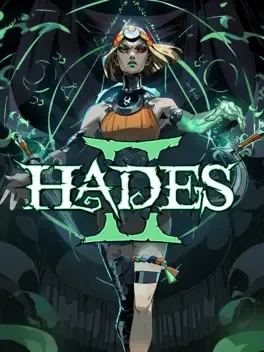
Hades II
Still in early access, and harder than the original in ways that are harder to articulate. The combat is denser, the enemies are less familiar, and players cannot import the pattern knowledge they built in Hades. All 15 raters landed between 5 and 8. The floor is higher than the first game; the ceiling stays measured.
- 13
Balatro
A poker-based deckbuilder where early runs are approachable and the real complexity surfaces slowly. Pushing toward higher stakes and completing all joker challenges is where the game's difficulty ceiling becomes visible, but getting there takes time most players enjoy spending. With only 5 ratings it is the least statistically robust entry here. Nobody called it easy, nobody called it brutal.
- 14
Vampire Survivors
Sits at the bottom because the data says it should. Vampire Survivors is deliberately accessible: the difficulty is about optimising your build against scaling waves, not about precise inputs or decision pressure. All 16 raters gave it between 4 and 6, a tighter spread than any other game on this list. It is harder than a walking simulator and not much harder than that.
Honorable Mentions
Just missed the top 14
These games qualify as roguelikes or roguelites but do not yet have the minimum 5 ratings required. Both would rank near the top of the list if they did.
- Enter the Gungeon (8.50/10, 2 ratings). Two ratings and an 8.50 average would make it the hardest roguelite on the list if it qualified. A bullet hell dungeon crawler where every room is a combat puzzle and the guns have weight and personality. Dying repeatedly until you understand each floor's enemy patterns is the intended experience.
- Into the Breach (8.33/10, 3 ratings). Three ratings at 8.33 would place it second if it qualified. A turn-based tactics roguelite with no randomness in the enemy phase: every incoming attack is telegraphed, and the difficulty is pure puzzle. Completing every island on the hardest difficulty is a genuine test of how far your strategic thinking can extend.
Still waiting on votes
These are well-known, frequently recommended roguelikes with almost no ratings on the site. If you have played them, rate them.
- Noita (8.00/10, 1 rating). One rating at 8.00 and a fearsome reputation. A physics-based magic roguelite where every pixel in the world simulates. The difficulty is partly from hostile enemies and partly from the game world itself: fire spreads, liquids mix, and explosions chain in ways that kill you as often as they save you. Deserves more votes.
- FTL: Faster Than Light (8.00/10, 1 rating). One rating at 8.00 from a game that has been punishing players since 2012. A spaceship management roguelike where each sector demands resource decisions that compound across a full run. Normal mode is hard; Hard mode removes most of the margin that Normal leaves you. Deserves more votes.
How This List Is Built
Every game on this list was rated by real players on How Difficult Is It?. The ranking is based on each game's average difficulty score, submitted by people who have actually played it. This list is a monthly snapshot. For live rankings that update every hour, see the rankings page.
- Source: Player-submitted difficulty ratings on How Difficult Is It?
- Genre scope: Roguelikes and roguelites available on Steam, including hybrid genres (roguelite Metroidvanias, deckbuilders, bullet hells)
- Minimum ratings: At least 5 player ratings required to appear
- Sort method: Average difficulty score, highest first. Rating count breaks ties.
- Exclusions: Disqualified or flagged ratings are removed. Games without meaningful run-reset mechanics are excluded.
- Update frequency: Monthly snapshot
Frequently Asked Questions
What is the hardest roguelike or roguelite on Steam according to player ratings?
As of May 2026, Darkest Dungeon ranks #1 with a difficulty score of 8.31/10 from 13 player ratings on How Difficult Is It?. Spelunky 2 (8.18) and Spelunky Classic (8.00) follow close behind. Enter the Gungeon would top the list at 8.50 but does not yet have the minimum 5 ratings required to qualify.
How is this ranking calculated?
Games are ranked by their average difficulty score submitted by players on How Difficult Is It?. Only games with at least 5 ratings are included. Disqualified or spam ratings are excluded. Games with equal average scores are sorted by number of ratings. The list covers both traditional roguelikes (permadeath, randomised levels, no persistent upgrades) and roguelites (some meta-progression, often more action-focused).
Is Hades considered a hard game?
Moderately hard, according to player ratings. Hades ranks #10 with a difficulty score of 6.31/10 across 35 ratings, the largest sample of any roguelite on the site. Its permanent upgrade system and forgiving re-entry design place it below the harder entries. Players who expect it to be punishing are sometimes surprised to find it accessible.
What is the difference between a roguelike and a roguelite?
Traditional roguelikes have randomised levels, permadeath, and no persistent upgrades between runs. Roguelites relax some of those rules, typically by adding meta-progression (permanent upgrades that carry over after death). Games like Dead Cells, Hades, and Vampire Survivors are roguelites. Games like Spelunky Classic and The Binding of Isaac sit closer to the traditional roguelike end. Both are included on this list because players rate them in the same difficulty context.
Can I add my own difficulty rating?
Yes. Create a free account on How Difficult Is It? and rate any game you have played. Your rating is included in the community average and updates the live rankings within the hour.