The Hardest Fighting Games of All Time, Ranked by Player Votes
Last updated: September 2026
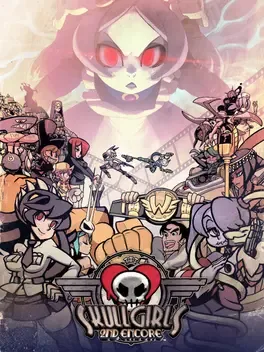
Skullgirls: 2nd Encore is the hardest fighting game on this site, at 8.81/10 from 27 player ratings, with Tekken Tag Tournament 2 behind it. The top of this list moves as votes come in, and the gap between first and second is usually a fraction of a point.
6 of the top 30 are Tekken games, more than any other series manages, and they span 2004 to 2024. A series does not stay this punishing for that long by accident.
The one platform fighter to make the cut is Super Smash Bros. Melee at 14th, on 22 votes and 8.45/10. Every technique that makes it hard was an accident Nintendo left in, and a competitive scene spent twenty years turning those accidents into requirements.
The oldest entry is the strangest result. The 1987 Street Fighter finishes 24th at 8.23/10, ahead of most of the series that followed it. Capcom spent the next thirty years making its own special moves possible to perform on purpose.
Why the Genre Rates This High
Every other genre measures how hard the game fights back. This one measures how hard a person does. Arcade mode takes an afternoon, and that is not what anyone is rating. They are rating execution that has to survive pressure, frame data for a roster of forty, and the habit of reading an opponent in real time. A platformer has a last level. A fighting game has whoever queued up next, and that opponent keeps improving.
Accessibility Did Not Lower the Ceiling
Street Fighter 6 ships with modern controls that map special moves to a button, and it still finishes 13th at 8.45/10. Tekken 8 sits at 20 on the same logic. Both lowered the floor and moved the difficulty somewhere else. Drive gauge management and Heat both punish a bad decision harder than a dropped input ever did, and neither can be practised alone in training mode.
Tekken Occupies Both Ends of the List
No other series holds this much of the list, and the reason is structural. Movement in Tekken is a skill you acquire separately from everything else, sidestepping and backdashing have to be inputted rather than held, and the punishment knowledge scales with a roster that keeps growing. Thirty years in, the entry fee has never come down.
Full Rankings: Top 30 Hardest Fighting Games
- 1
Skullgirls: 2nd Encore
Lab-heavy in a way few fighting games are. Custom assists, resets, and infinite-prevention rules mean optimised routes run long and demand precision throughout. Team construction alone is a discipline before a single round is played.
- 2
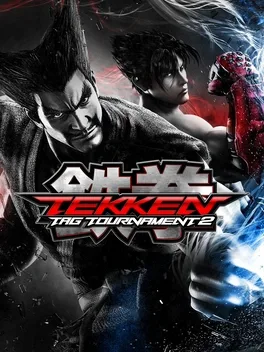
Tekken Tag Tournament 2
Two characters, tag mechanics, and the full Tekken movement and matchup burden multiplied across a roster of more than fifty. The combo routes are long and precise, and team synergy is a study of its own on top of everything the singles game already demands.
- 3
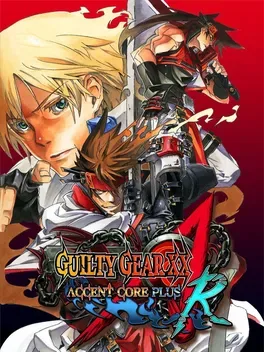
Guilty Gear XX Accent Core Plus R
The 2012 revision is the definitive version of the most execution-heavy Guilty Gear. Extremely fast, mechanically dense, and built around character-specific systems that make learning a second character feel like starting over.
- 4

BlazBlue: Central Fiction
The 2015 finale is the densest BlazBlue and one of the hardest fighting games ever made. The roster is enormous, the characters genuinely operate under different rules, and high-level play demands both precise execution and encyclopedic matchup knowledge.
- 5
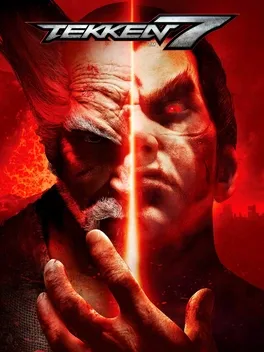
Tekken 7
Korean backdashing, throw breaks on reaction, and punishment knowledge across a roster of nearly fifty. The 2015 entry is an enormous homework assignment before it is a fight, and the movement alone takes months to stop looking clumsy.
- 6
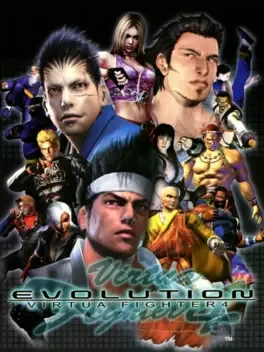
Virtua Fighter 4: Evolution
Sega's 2002 revision is the most demanding 3D fighter ever made, and the one every Tekken player is quietly measured against. Movesets run past a hundred entries per character, the defensive options branch further than the offensive ones, and the knowledge requirement is brutal before execution even enters the conversation.
- 7
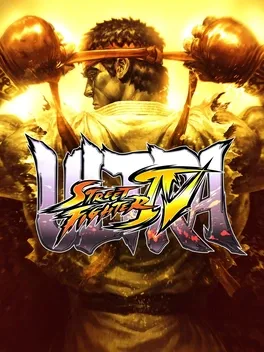
Ultra Street Fighter IV
One-frame links, FADC combos, and option selects made the 2014 revision a technical wall. The execution demanded to convert a confirm is the highest of any modern Street Fighter, and the matchup knowledge across a forty-plus roster is a second job.
- 8

BlazBlue: Calamity Trigger
The 2009 original established the BlazBlue rule: every character runs on a private system, and learning the cast means learning a dozen separate games. Combos are long, the drive mechanics are unlike anything else on the roster, and the barrier to competence is steep.
- 9
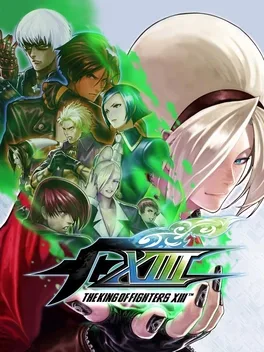
The King of Fighters XIII
Combo execution here is infamous. Hyper Drive cancels demand precision a large part of the playerbase never reaches, and that is before hops, three-character teams, and the matchup knowledge that comes with them.
- 10
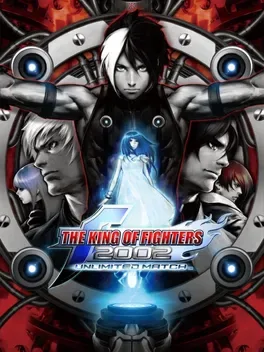
The King of Fighters 2002: Unlimited Match
The definitive version of the most execution-heavy King of Fighters. MAX Mode combos demand precise cancels, short hops govern the neutral, and three characters means three times the matchup study.
- 11

BlazBlue: Continuum Shift Extend
The 2012 revision expanded an already dense roster and deepened the system mechanics around it. The combo routes are longer, the character-specific gimmicks are stranger, and the matchup burden is heavier than the original's.
- 12
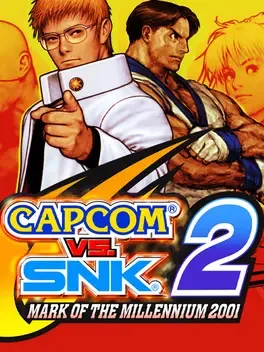
Capcom vs. SNK 2: Mark of the Millennium 2001
Six grooves, each with its own defensive and meter rules, multiply the system knowledge required before a single matchup is considered. Roll cancelling adds an execution barrier that was never intended and never removed.
- 13
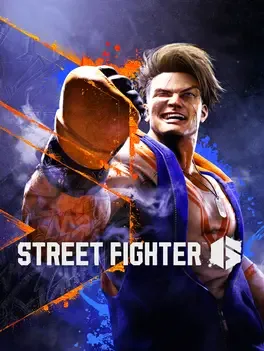
Street Fighter 6
The 2023 entry made the genre more approachable than it has ever been and left the ceiling exactly where it was. Drive Rush, Drive Impact, and the shared Drive gauge create a resource economy that governs every decision, and burnout punishes bad management with the round.
- 14
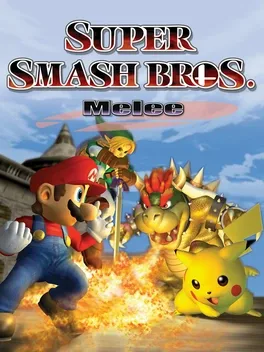
Super Smash Bros. Melee
The 2001 game that a competitive scene reverse-engineered into something Nintendo never designed. Wavedashing, L-cancelling, and frame-perfect edge work are all unintended, all mandatory at a high level, and all physically demanding in a way almost nothing else here is. The execution barrier is the highest of any platform fighter.
- 15
Super Street Fighter II Turbo
The 1994 arcade revision that competitive Street Fighter still runs on, and the one that set the bar every later entry is measured against. Links are one frame, reversals have to be timed on wake-up without a safety net, and the neutral game punishes any habit an opponent can read. It carries the highest organic score of any fighting game on this site.
- 16
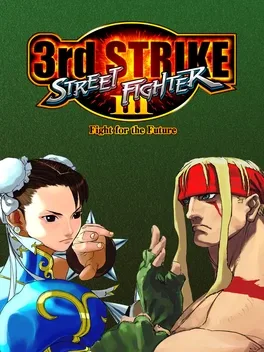
Street Fighter III: 3rd Strike
Parry is the mechanic that broke the ceiling. Any attack can be neutralised with a one-frame forward tap, so defence becomes an active read rather than a resource, and the gap it opens between competent and expert is the widest in the genre. The neutral game underneath is just as deep.
- 17
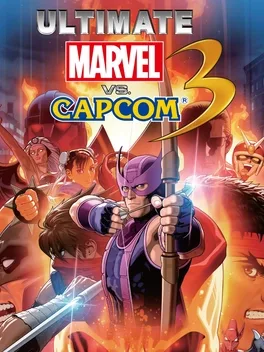
Ultimate Marvel vs. Capcom 3
Lightning-fast, assist-driven, and utterly unforgiving of a dropped conversion. Team construction, snapbacks, and the X-Factor comeback mechanic mean a match can turn on one mistake, and the optimised combos demand precision throughout.
- 18
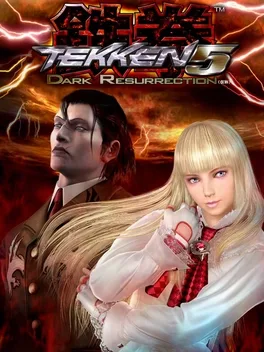
Tekken 5: Dark Resurrection
The 2006 arcade revision of Tekken 5 is the series at its most demanding. Movement is precise, punishment windows are tight, and the knowledge checks come from a generation that assumed you would lose a great deal of money learning them.
- 19
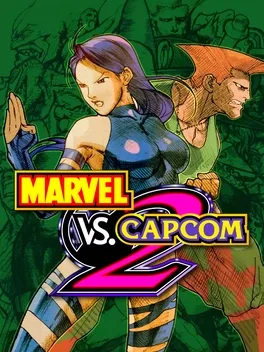
Marvel vs. Capcom 2: New Age of Heroes
Fifty-six characters, three-character teams, and movement so fast that the neutral barely exists in any conventional sense. The basics are approachable and the ceiling is close to vertical: team synergy, assist usage, and air mobility take years.
- 20
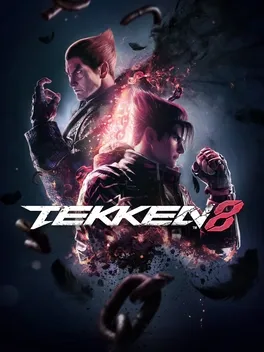
Tekken 8
The 2024 entry added Heat and a modern control scheme, and it is still an enormous knowledge game underneath. Aggression is rewarded harder than in any previous Tekken, which makes the punishment for guessing wrong steeper rather than gentler.
- 21
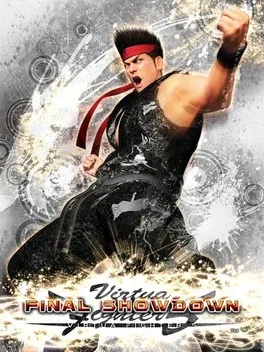
Virtua Fighter 5: Final Showdown
The 2012 refinement keeps everything that made Virtua Fighter forbidding. Fuzzy guarding, throw escapes, and frame-tight defensive choices mean competent play requires understanding what the opponent can do on every single frame of disadvantage.
- 22
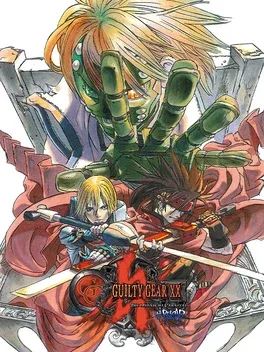
Guilty Gear X2 #Reload
The 2003 revision is old-school Guilty Gear at its most punishing. Roman Cancels, faultless defence, and character-specific gimmicks sit on top of execution requirements that assume an arcade stick and a great deal of patience.
- 23

Guilty Gear Xrd: Rev 2
The 2017 revision is faster and more technical than Strive by a distance. Roman Cancel timing governs both offence and defence, the movement options are broad, and the matchup knowledge across the cast is substantial.
- 24
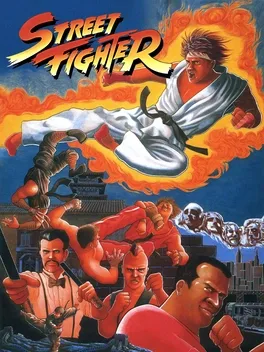
Street Fighter
The 1987 original is harder than the series it launched, for reasons Capcom spent the next decade correcting. Special moves require inputs the hardware barely registers, so landing a Shoryuken at all is the challenge, and the arcade opponents do not wait while you try. Historically important and close to unplayable by modern standards.
- 25

Tekken 5
The 2004 return to form, and one of the most technically demanding Tekkens before the modern era. Korean backdashing matters, the juggle routes are long and precise, and the roster is large enough that matchup ignorance loses rounds on its own.
- 26

BlazBlue: Chrono Phantasma Extend
The 2014 revision sits among the most mechanically demanding anime fighters ever released. Overdrive, Crush Trigger, and character-specific drives interact in ways that take serious study, and the combo execution is punishing on top of that.
- 27
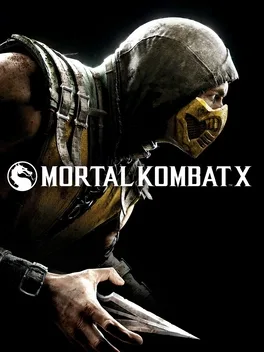
Mortal Kombat X
Fast, aggressive, and far more technical than its presentation suggests. Run cancels, variation-specific matchups, and oppressive pressure make it the most demanding NetherRealm fighter, with a knowledge burden tripled by the variation system.
- 28

Street Fighter Alpha 3
ISMs, custom combos, and character-specific advanced techniques make the 1998 entry far deeper than its reputation as the accessible Alpha. Choosing a system before the match is a strategic layer most fighting games never attempt.
- 29
The King of Fighters '98 Ultimate Match Final Edition
The definitive version of the King of Fighters most players consider the series peak. Short hops govern the neutral, the roster is enormous, and the movement takes serious time to stop being a liability.
- 30
Tekken 6
The 2007 entry carries one of the largest rosters in the series and a bound system that made juggle routes both longer and stricter. The movement is unforgiving and the matchup load is heavy even by Tekken standards.
How This List Is Built
Every game on this list was rated by real players on How Difficult Is It?. The ranking is based on each game's average difficulty score, with a minimum of 5 ratings required to qualify. This is a monthly snapshot; for live rankings that update every hour, see the rankings page.
- Source: Player-submitted difficulty ratings on How Difficult Is It?
- Genre scope: Versus fighting games, covering 2D, 3D, tag, and platform fighters. Beat-em-ups and arena brawlers are excluded.
- What the score means: Difficulty as each rater experienced it, which for a fighting game usually blends arcade mode, combo trials, and time spent against other people
- Minimum ratings: At least 5 player ratings required to appear
- Sort method: Average difficulty score, highest first. Rating count breaks ties.
- Exclusions: Disqualified or flagged ratings are removed before scoring. Bundles, editions, and DLC listings are excluded so a game appears once.
- Update frequency: Monthly snapshot
Frequently Asked Questions
What is the hardest fighting game according to player ratings?
As of September 2026, Skullgirls: 2nd Encore ranks #1 with a difficulty score of 8.81/10 from 27 player ratings on How Difficult Is It?. Tekken Tag Tournament 2 and Guilty Gear XX Accent Core Plus R follow it.
Why are fighting games rated so highly for difficulty?
Because the opponent is the difficulty. Most genres measure how hard the game fights back, and a fighting game measures how hard a person does. Clearing arcade mode takes an afternoon. Becoming competent against another player means learning execution, frame data, matchups across an entire roster, and the habit of reading someone in real time, and none of that has an ending.
Are older fighting games harder than modern ones?
Not automatically, but the votes lean that way. 7 of the top 30 were released in 2015 or later, and the rest are older. Modern entries lower the execution floor with simplified inputs and generous buffers, and they raise the ceiling elsewhere, in resource systems and decision-making that the classic games never asked about.
How is this ranking calculated?
Games are ranked by their average difficulty score submitted by players on How Difficult Is It?. Only games with at least 5 ratings are included. Disqualified or spam ratings are excluded. Games with equal average scores are sorted by number of ratings. The list covers versus fighting games: 2D, 3D, platform fighters, and tag fighters, but not beat-em-ups or arena brawlers.
Does this ranking measure single-player or competitive difficulty?
Both, as players experience them. A rating reflects how hard someone found the game overall, which for a fighting game usually means some mix of arcade mode, the combo trials, and time spent against other people. Games with notoriously punishing arcade AI rate highly for that reason alone, separate from their competitive depth.
Can I add my own difficulty rating?
Yes. Create a free account on How Difficult Is It? and rate any game you have played. Your rating is included in the community average and updates the live rankings within the hour.