The Hardest SHMUPs of All Time, Ranked by Player Votes
Last updated: September 2026
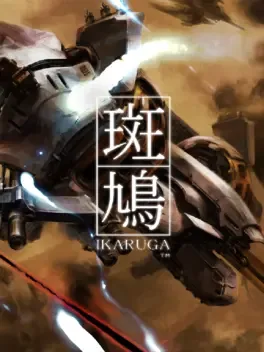
The shoot-'em-up is the genre that difficulty built. Long before Souls games made punishment fashionable, arcade shooters were quietly eating quarters with walls of bullets, one-hit deaths, and checkpoints that stripped everything you had earned. Based on real player votes, Ikaruga tops this list at 9.12/10, with Ketsui: Kizuna Jigoku Tachi a whisker behind and a dense pack of arcade classics all clustered near 9.
One thing to keep in mind: these are user-submitted scores, so they reflect the version and mode each voter actually played, not a clean matchup of hardest loop against hardest loop. A game like DoDonPachi is survivable on its first loop and monstrous on its second, and the score lands somewhere in between.
What Counts as a SHMUP?
Worth settling up front, because it decides which games are eligible. A shoot-'em-up puts you in a ship or craft flying through continuously scrolling space, and movement is the whole game: vertical scrollers like DoDonPachi and Ketsui, horizontal scrollers like R-Type and Gradius, and their bullet-hell descendants.
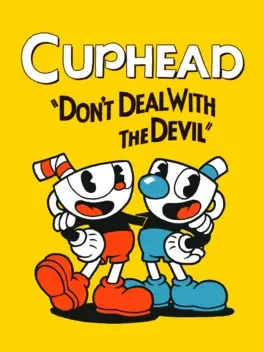
That rules out the run-and-gun, a related genre where you control a character on foot who jumps, dashes, and aims. Cuphead and Contra are the games people ask about most. Both are genuinely hard, and both include the odd flight or overhead stage, but they are primarily run-and-guns, so they are not ranked here. Cuphead sits at 8.17 across more than fifty votes and Contra III at 8.75, so they are not excluded for being easy. They are simply a different genre. Metal Slug, Gunstar Heroes, and twin-stick shooters like Nex Machina sit outside the scope for the same reason. A few of these near-misses appear at the end of this article.
Full Rankings: Top 25 Hardest SHMUPs
- 1
Ikaruga
Treasure's polarity puzzle-shooter looks approachable and plays like a final exam. Every bullet and enemy is black or white, you switch your ship's polarity to absorb matching fire, and chaining demands you destroy enemies in colour-coded groups of three. Short in length, merciless in execution, and with the most votes of any game here, it sits at the very top.
- 2
Ketsui: Kizuna Jigoku Tachi
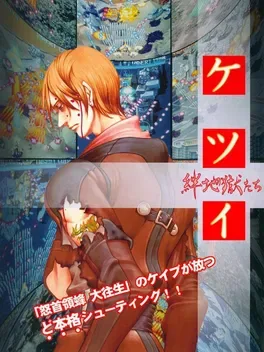
Cave's 2003 masterpiece asks you to fight point-blank: the closer your shots land, the more you score, so survival and greed pull in opposite directions for the entire game. The patterns are fast and unforgiving, and the second loop hides one of the most feared true final bosses in the genre. It sits at the top of these rankings for good reason.
- 3
DoDonPachi DaiOuJou
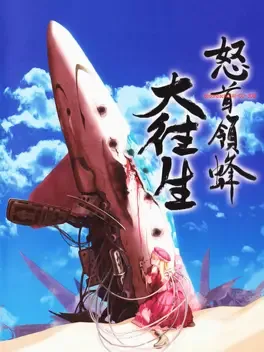
Cave's 2002 bullet hell built its reputation on sheer density and the Hyper system, which floods the screen with even more fire in exchange for firepower. Clearing it is hard; reaching and beating the hidden true final boss is the stuff of shmup legend.
- 4
R-Type II
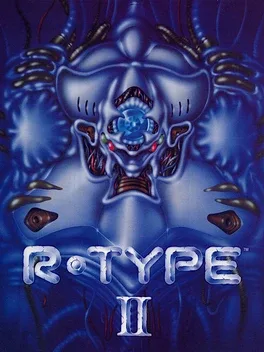
The 1989 sequel doubles down on everything that made the original hard: tighter corridors, nastier checkpoints, and enemy placement designed to end runs the instant you lose your Force. It is a memorisation gauntlet from the first stage to the last.
- 5
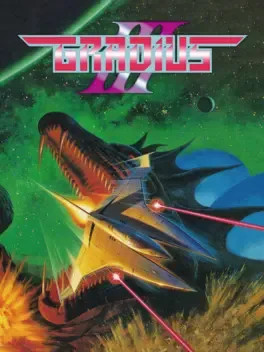
Gradius III
The arcade Gradius III is notorious even among Konami's punishing series. A single death strips your speed-ups, missiles, and shields, and the game rarely gives you room to rebuild, creating a death spiral that has ended countless credits. Its later stages are a wall few clear without serious practice.
- 6
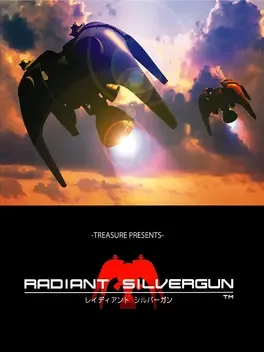
Radiant Silvergun
Treasure's 1998 shooter is long, systemic, and demanding. Weapons level up through use, scoring hinges on chaining same-coloured enemies, and the campaign expects you to learn its every encounter. A revered design that gives up nothing easily.
- 7
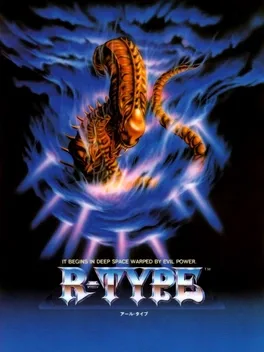
R-Type
The 1987 Irem game that defined the horizontal shooter and its cruelty. Death sends you back to a checkpoint stripped of the powerups you spent the level earning, turning recovery into its own brutal skill. Progress is memorisation, patience, and clever use of the detachable Force pod.
- 8
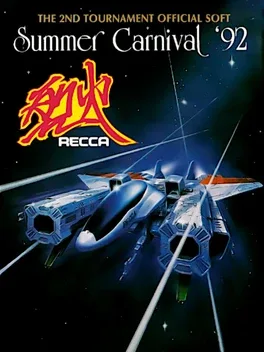
Summer Carnival '92: Recca
A Famicom shooter that pushes the ageing hardware past its limits, hurling bullets faster than almost anything else on the system. Its intensity is startling for its era, and its score-attack modes stay punishing enough to challenge modern players.
- 9
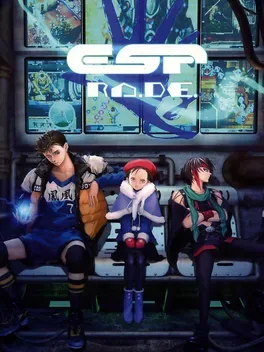
ESP Ra.De.
Cave's 1998 tale of psychic teens fighting through a near-future city, wrapped around dense, aggressive bullet patterns. It is one of the studio's tougher early works and a cult favourite for its style and its bite.
- 10
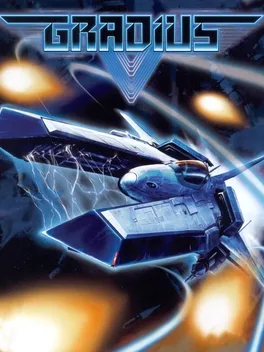
Gradius V
Treasure's 2004 revival of the Konami series is gorgeous and mechanically deep, letting you steer your Options directly to weave through fire. Beautiful to watch and brutal to master, especially on its harder loops.
- 11
Judgement Silversword
Originally a WonderSwan game later revived by M2, this is a pure score-and-survival shooter with relentless pressure and no filler. Its compact design hides a very high skill ceiling.
- 12
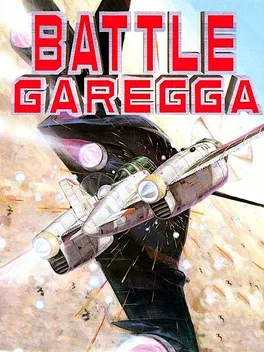
Battle Garegga
Raizing's 1996 classic runs on a dynamic rank system: the more you power up and score, the faster and denser the enemy fire becomes, so the game literally punishes you for playing well. Managing your own strength through deliberate suiciding is a mechanic unto itself. Few shooters demand this much systemic understanding.
- 13
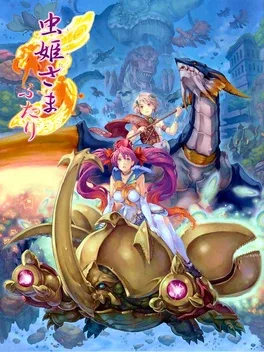
Mushihime-sama Futari
Cave at its most extravagant. The higher difficulty modes throw curtains of bullets so dense they border on abstract art, and Ultra mode is frequently cited among the hardest patterns ever committed to an arcade board. Reading the gaps is a genuine test of nerve.
- 14
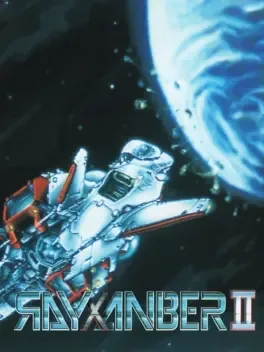
Rayxanber II
An obscure PC Engine CD horizontal shooter with a fearsome reputation among collectors. Fast, aggressive, and stingy with recovery, it is remembered as one of the harder shooters of its platform and era. Only a handful of players have rated it, so treat the exact placement lightly.
- 15
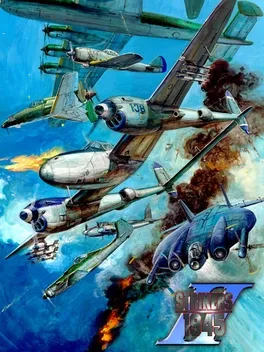
Strikers 1945 II
Psikyo's signature speed on full display: fast, tightly aimed bullets that demand you keep moving and read angles on instinct. Memorisation and precise dodging carry you through its relentless later stages.
- 16
Touhou Kanjuden: Legacy of Lunatic Kingdom
The mainline Touhou entry built specifically to be the hardest, with a Legacy mode that offers no continues and a design that assumes near-perfect play. Its Lunatic patterns are dense, fast, and relentless, and its reputation among Touhou veterans speaks for itself.
- 17
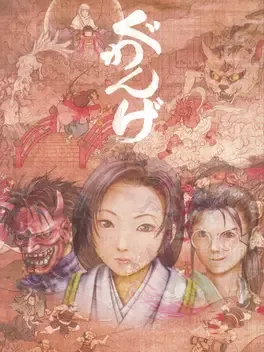
Guwange
Cave's feudal-Japan oddity swaps the usual autofire for a slow, deliberate lock-on shikigami, which changes the rhythm of survival entirely. The patterns are as demanding as any Cave shooter, but the pacing forces a different kind of discipline.
- 18
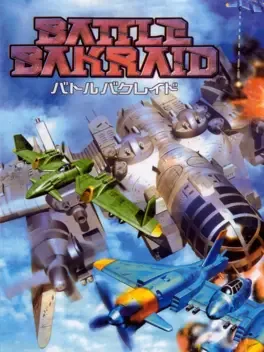
Battle Bakraid
Raizing's 1999 successor to Battle Garegga inherits its dense fire and rank pressure, layering in a deep scoring system that rewards, and endangers, aggressive players. Another shooter where understanding the systems is survival.
- 19
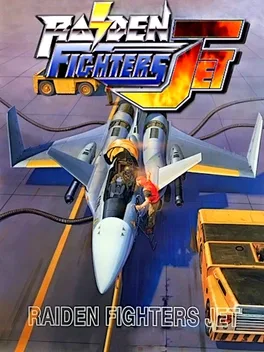
Raiden Fighters Jet
The peak of Seibu Kaihatsu's cult Raiden Fighters series, dense with enemies, secrets, and scoring depth. Its surface is a straightforward shooter; mastering it is anything but.
- 20
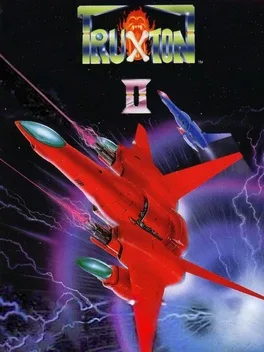
Truxton II
Toaplan's 1992 sequel, known in Japan as Tatsujin Oh, is fast, loud, and aggressive, throwing quick aimed shots and heavy enemy waves. A high-water mark for the studio's punishing arcade style.
- 21
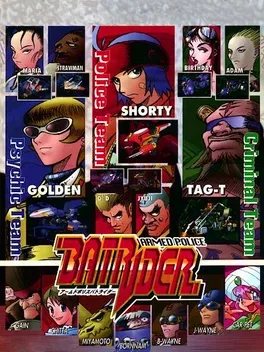
Armed Police Batrider
Raizing's 1998 shooter puts a roster of playable characters inside the studio's trademark rank system, where scoring hard makes the screen fill with faster, denser fire. Managing that pressure while chasing points is the whole game, and it rewards system knowledge as much as reflexes.
- 22
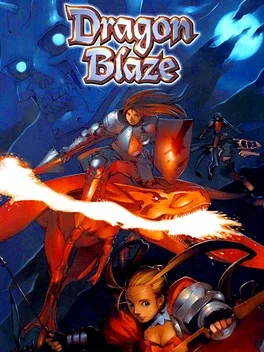
Dragon Blaze
Psikyo's 2000 fantasy shooter hands you a detachable dragon you can fling forward as a second weapon, layered over the studio's signature fast, tightly aimed bullets. Its later stages and true final boss demand the kind of pattern reading Psikyo built its name on.
- 23
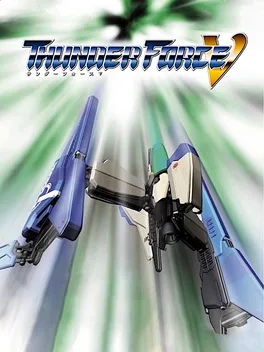
Thunder Force V
The PlayStation and Saturn sequel keeps Technosoft's speed and spectacle, with sprawling stages, multi-directional threats, and a relentless final act. It trades a little of Thunder Force IV's raw edge for polish, but it is still a serious endurance test.
- 24
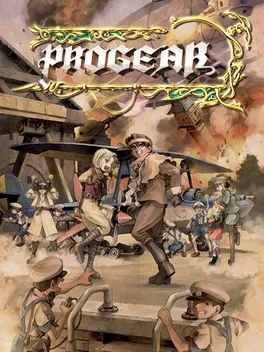
Progear
Cave and Capcom's only collaboration is an elegant horizontal shooter built around a jewel-collection scoring loop. Beneath its polish sits a genuinely tough game, especially once you chase the scoring the design quietly demands.
- 25
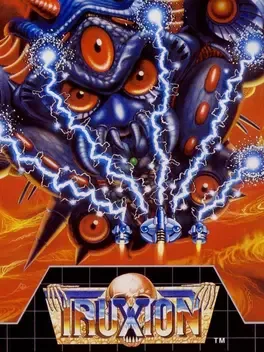
Truxton
Toaplan's 1988 shooter is a classic of the punishing arcade era: aggressive enemies, quick bullets, and little margin for error. Its reputation as an early forerunner of the bullet-hell style is well earned.
How This List Is Built
Every game on this list was rated by real players on How Difficult Is It?. The ranking is based on each game's average difficulty score, with a minimum of 5 ratings required to qualify. This is a monthly snapshot; for live rankings that update every hour, see the rankings page.
- Source: Player-submitted difficulty ratings on How Difficult Is It?
- Genre scope: Shoot-'em-ups only, including vertical, horizontal, and bullet-hell shooters. Run-and-gun and twin-stick games are excluded.
- What the score means: Difficulty of clearing the game on default settings, as each rater experienced it.
- Minimum ratings: At least 5 player ratings required to appear
- Sort method: Average difficulty score, highest first. Rating count breaks ties.
- Update frequency: Monthly snapshot
Frequently Asked Questions
What is the hardest SHMUP according to player ratings?
As of September 2026, Ikaruga ranks #1 with a difficulty score of 9.12/10 based on player ratings on How Difficult Is It?. Ketsui: Kizuna Jigoku Tachi, DoDonPachi DaiOuJou, R-Type II follow close behind.
Do games like Cuphead and Contra count as SHMUPs?
No. Cuphead and Contra are run-and-gun games: you control a character on foot who jumps and aims, which is a related but distinct genre. A SHMUP (shoot-'em-up) is built around a ship or craft flying through continuously scrolling space, whether vertical like DoDonPachi, horizontal like R-Type, or bullet hell. A few run-and-guns include the odd flight stage, but this list only ranks games that are primarily shoot-'em-ups. Metal Slug, Gunstar Heroes, and twin-stick shooters like Nex Machina are excluded for the same reason.
How is this ranking calculated?
Games are ranked by their average difficulty score submitted by players on How Difficult Is It?. Only games with at least 5 ratings are included. Disqualified or spam ratings are excluded. Games with equal average scores are sorted by number of ratings. The list covers shoot-'em-ups only: vertical, horizontal, and bullet hell shooters, not run-and-gun or twin-stick games.
Why are so many of these games from Cave, Toaplan, and Psikyo?
Those studios defined the modern shoot-'em-up and its difficulty. Toaplan pioneered the punishing arcade shooter in the 1980s, and many of its staff went on to found Cave and Raizing, which built the bullet-hell subgenre in the 1990s. Psikyo specialised in fast, tightly aimed patterns. Their catalogues make up much of any serious hardest-shmup list.
Can I add my own difficulty rating?
Yes. Create a free account on How Difficult Is It? and rate any game you have played. Your rating is included in the community average and updates the live rankings within the hour.